
Retail Leasing
Shop, Café or Salon — Get the Lease Right Before You Sign or Hand Over the Keys.
- Retail leases governed by the Retail Leases Act 1994 (NSW) — we know it inside out.
- Acting for both landlords and tenants across NSW.
- Disclosure statements, five-year terms, outgoings and rent reviews handled correctly.
- Plain-English advice and fixed-fee pricing — no surprises.
- A property lawyer on your file, not just a leasing agent.
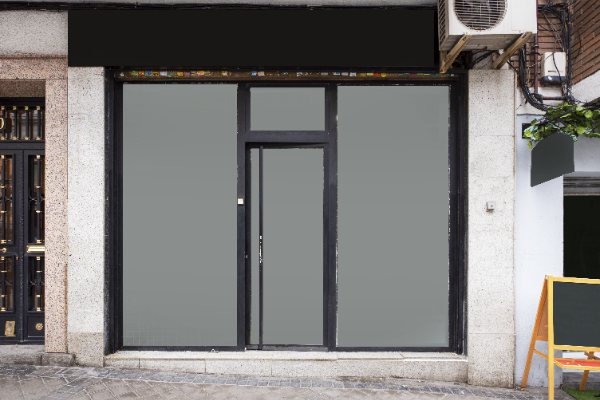
Leases that come with their own rulebook
Retail Leasing Is Not Just Commercial Leasing
If you are leasing a shop, café, salon, takeaway or a tenancy in a shopping centre, you are almost certainly signing a retail lease — and retail leases in New South Wales are governed by their own statute, the Retail Leases Act 1994.
That Act exists to protect tenants, but it also imposes strict obligations on landlords: disclosure statements that must be given on time, a minimum five-year term unless it is properly waived, tight rules on outgoings and rent reviews, and a mandatory dispute-resolution pathway. Get the process wrong and a landlord can find outgoings irrecoverable or the tenant able to terminate; a tenant can be locked into terms and costs they never understood.
At Corporate Legal, every retail lease is handled by a qualified property lawyer who reviews the deal against the Act before you commit — whether you are the landlord granting the lease or the tenant taking it. We draft, review, negotiate and register, and we explain every clause in plain English.
The Retail Leases Act 1994 (NSW)
The Protections — and Traps — Built Into Every Retail Lease
Because the Act overrides much of what a lease can say, both sides need to know how it works. These are the provisions we check on every retail matter:
Disclosure Statement
The landlord must give the tenant a disclosure statement at least 7 days before the lease is entered into. If it is late, incomplete or misleading, the tenant may be able to terminate within the first six months — a serious risk for landlords, and real leverage for tenants.
Minimum Five-Year Term
The Act guarantees a total term (including options) of at least five years, unless the tenant obtains a lawyer’s or conveyancer’s section 16(3) certificate waiving it. We prepare or advise on these certificates so a shorter term is valid.
Outgoings & Estimates
A landlord can only recover outgoings that were properly disclosed and estimated. Undisclosed outgoings are generally not recoverable. We make sure the schedule is complete for landlords and fair for tenants.
Rent Reviews
Only one review method can apply at each review, and “ratchet” clauses that stop rent ever falling are void. We draft compliant review mechanisms — fixed, CPI or market — and check the ones you are being offered.
No Key Money
The Act prohibits a landlord charging “key money” or a premium simply for granting or renewing a retail lease. We identify disguised premiums so neither side falls foul of the rules.
Relocation, Demolition & Compensation
The Act sets minimum standards for relocation and demolition clauses and for compensation where a landlord disrupts the business. We make sure these clauses meet the Act — and are used fairly.
Retail lease or disclosure statement in hand? Send it over before anyone signs.
Talk to Corporate LegalWho we help
Retail Landlords and Tenants of Every Kind
Hospitality & Food
Cafés, restaurants, takeaways, bakeries and bars — where fit-out, grease traps, trading hours and make-good clauses need close attention.
- Fit-out & make-good terms
- Permitted use & trading hours
- Incentives & rent-free periods
Health, Beauty & Services
Hair and nail salons, spas, clinics, gyms and personal-service businesses — typically smaller tenancies where the Act’s protections matter most.
- Five-year term & option advice
- Outgoings you can actually afford
- Assignment when you sell the business
Shopping-Centre Tenancies & Landlords
Tenants taking space in Westfield, Stockland and strip centres — and the landlords and owners who grant those leases and manage the centre.
- Turnover rent & promotion levies
- Relocation & demolition clauses
- Disclosure & compliance for landlords
Why it matters
What Careful Retail Leasing Protects You From
An Invalid Disclosure Statement
For landlords, a late or defective statement can hand the tenant a right to terminate and a compensation claim. For tenants, it can be your way out of a lease that no longer works.
Being Locked Into the Wrong Term
The five-year minimum, options to renew and any section 16(3) waiver all have to be handled correctly — or you commit to far longer, or far shorter, than you intended.
Runaway Outgoings
Undisclosed or uncapped outgoings, management fees and land tax can quietly turn a workable rent into an unaffordable one. We check what can and can’t be passed on.
Rent-Review Surprises
Compounding fixed increases, market reviews with no cap and void ratchet clauses catch tenants out at review time and expose landlords to challenge.
Make-Good & Fit-Out Disputes
Vague make-good and fit-out obligations are the most common cause of a fight at the end of a retail lease. We define them clearly at the start.
Getting Stuck When You Sell
If assignment and options aren’t handled properly, a tenant can’t sell the business and a landlord can’t control who takes over. We keep the exit clean.
These risks are cheapest to fix before signing — not after.
Talk to Us FirstWhat we do
Retail Lease Services for Both Sides of the Deal
Whether you are granting a lease or taking one, we handle the whole process — and we only ever act for one party on a given lease.
For Landlords (Lessors)
Grant a compliant, protective retail lease and avoid the traps that make outgoings irrecoverable or hand the tenant an early exit.
- Preparing the lease and disclosure statement
- Heads of agreement review
- Ensuring compliance with the Retail Leases Act
- Drafting compliant rent-review and outgoings clauses
- Negotiating incentives, guarantees and security
- Assignment, renewal and options
- Registration of the lease
- Advice on relocation and demolition clauses
For Tenants (Lessees)
Know exactly what you are committing to before you sign — and negotiate the terms that protect your business and your bond.
- Reviewing the lease and disclosure statement
- Plain-English report on your obligations
- Checking outgoings, rent reviews and the term
- Advising on and preparing section 16(3) certificates
- Negotiating rent-free periods and fit-out incentives
- Make-good, bank guarantee and personal-guarantee advice
- Options to renew and assignment when you sell
- Support if a retail tenancy dispute arises
Tell us which side you’re on — we’ll take it from the heads of agreement.
Book a ConsultationHow we work
How Our Retail Leasing Service Works
Consultation
A free 15-minute consult to confirm whether the Act applies, which side you’re on, your timeframe and our fixed fee.
Heads of Agreement
We review (or help settle) the heads of agreement so the key commercial terms are right before the formal lease is drawn.
Disclosure & Draft Lease
Landlords: we prepare the disclosure statement and lease. Tenants: we review both and report on every material term.
Negotiation
We negotiate rent reviews, outgoings, incentives, make-good, guarantees and options — then agree the final form.
Signing & Certificates
We manage execution, any section 16(3) certificate, guarantees and the security deposit or bank guarantee.
Registration & Handover
Where required, we register the lease and confirm commencement, so both parties start on a clean, documented footing.
Ready to start? Book your free 15-minute consultation.
Call TodayWhy Choose Corporate Legal for Your Retail Lease
Retail Leases Act Specialists
We work with the Retail Leases Act 1994 every week — disclosure, five-year terms, outgoings, reviews and registration are second nature.
A Lawyer, Not Just an Agent
A qualified property lawyer runs your file, so if a term needs negotiating or a dispute emerges, you’re already covered.
Both Sides of the Table
We act for landlords and tenants, so we know exactly what the other side will push for — and how to protect your position.
Fixed-Fee & Transparent
A clear, upfront fee agreed before we start, so you can budget with confidence and there are no billing surprises.
Plain-English Advice
We translate the lease and the Act into language you can act on, so you always know what you’re signing.
Lease your premises with a firm that gets retail leasing right.
Talk to Us NowRetail leasing rarely stands alone. If you are buying the premises as well as leasing it, selling the business behind the lease, or facing a dispute over rent, make-good or outgoings, we can support you end-to-end — from the contract through to the lease and beyond.
Retail Leasing FAQs
How do I know if my lease is a “retail” lease?
What is a disclosure statement and when must it be given?
Does a retail lease have to be for five years?
What outgoings can a landlord pass on to a tenant?
Can the landlord increase the rent however they like?
Do retail leases have to be registered?
What happens if there’s a dispute?
Can you act for me if I’m selling or buying the business behind the lease?
Still have questions about your retail lease?
Ask Us DirectlySigning a Retail Lease? Start With a Review
Whether you are a landlord granting a shop lease or a tenant taking one, the safest first step is the same: have a property lawyer who knows the Retail Leases Act 1994 check the deal before you sign. Corporate Legal delivers fixed-fee retail leasing advice for landlords and tenants across NSW — clear, compliant and commercial.
Book a Consultation